
Introduction
Infertility affects millions of couples worldwide, with one in every fifteen couples struggling to conceive. This can be an emotionally changing journey, leaving many couples seeking effective solutions. While conventional treatments exit, some individuals explore alternative and complementary therapies such as Homoeopathy. This post serves as a comprehensive guide to homeopathy for Infertility, delving into its principles, application, effectiveness and ethical consideration.

Understanding infertility: causes and symptoms.
What is infertility? infertility is generally defined as the inability to conceive after one year of regular, unprotected sexual intercourse. It also includes the inability to maintain pregnancy.
Symptoms of Infertility:
In women: Symptoms may include irregular or absent menstrual periods. There may also be more subtle indicators that warrant attention.
In men: Signs can include hormonal imbalances, changes in hair growth, or sexual dysfunction.
It’s important to remember that many couples eventually conceive with or without medical intervention.
Common Causes of Infertility: Infertility can stem from various factors affecting either one or both partners.
Male Infertility: About one-third of infertility cases are attributed to male factors.
Abnormal sperm production or function: This can be due to undescended testicles, genetic defects, diabetes, or infections like chlamydia, gonorrhoea, mumps, or HIV.
Problems with sperm delivery: These can result from sexual issues, genetic diseases like cystic fibrosis, structural abnormalities, or injuries to reproductive organs.
Environmental and lifestyle factors: Exposure to pesticides, chemicals, radiation, smoking, alcohol, marijuana, steroid use, and some medications can negatively affect fertility.
Cancer-related damage: Treatments like radiation or chemotherapy can severely impair sperm production.
Female Infertility: Female factors contribute to about one-third of infertility cases.
Ovulation disorders: Hormonal imbalances from conditions like polycystic ovary syndrome (PCOS), hyperprolactinemia, or thyroid abnormalities can disrupt ovulation. Other factors include excessive exercise, eating disorders, or tumors.
Uterine or cervical abnormalities: Structural issues in the cervix, polyps in the uterus, or uterine fibroids can hinder fertility by obstructing the fallopian tubes or preventing implantation.
Fallopian tube damage or blockage: Inflammation due to pelvic inflammatory disease (PID) often caused by sexually transmitted infections, endometriosis, or adhesions can lead to infertility.
Endometriosis: This is the abnormal growth of endometrial tissue outside the uterus which can negatively impact ovarian function.
Infections: Viral infections like German Rubella can cause miscarriages or premature birth.
Cervical hostility: The cervical mucus can sometimes attack and destroy sperm.
Pelvic Inflammatory Disease (PID): This condition results from the spread of pathogenic microorganisms and can lead to long-term issues like infertility and ectopic pregnancies.
Chronic bacterial infections: Infections like chlamydia can cause tubal blockages, leading to infertility.
Ovarian damage: Diseases such as PCOD/PCOS can damage the ovarian parenchyma, resulting in menstrual irregularities and infertility.
Mumps: Infection with the mumps virus after puberty can cause sterility in males.
Unexplained Infertility: Some couples experience infertility without any identifiable cause.
Homeopathic Treatment for Infertility
The Homeopathic Consultation:
Homeopathic practitioners conduct a thorough consultation, gathering a comprehensive medical history, focusing on the patient’s symptoms, lifestyle, and factors that aggravate or alleviate these symptoms.
They pay close attention to uncommon symptoms, known as “strange, rare, and peculiar,” which can be crucial in understanding the patient’s condition.
The practitioner uses a “repertory,” a 200-year-old computerized database of symptoms arranged by anatomical location, to match the patient’s symptoms with potential remedies.
Computer programs are often used to process data, combine rubrics, and prioritize remedies based on strategic criteria.
The practitioner also assesses if the symptoms cluster as primarily mental, emotional or physical. Homeopathy treatment of infertility is mainly achieved through the administration of constitutional homeopathic medicines found most suitable after a detailed case analysis. A detailed case analysis includes the general physical and mental constitutional make-up of the patient plus the symptoms in the sexual sphere and the underlying cause that is hindering the fertility process and needs to be corrected. Homeopathy for infertility are natural medicines that help by raising the patient’s immunity to remove the obstruction that is hindering the process of fertility in a couple.
CAREWELL HEALTH CLINIC RESULTS
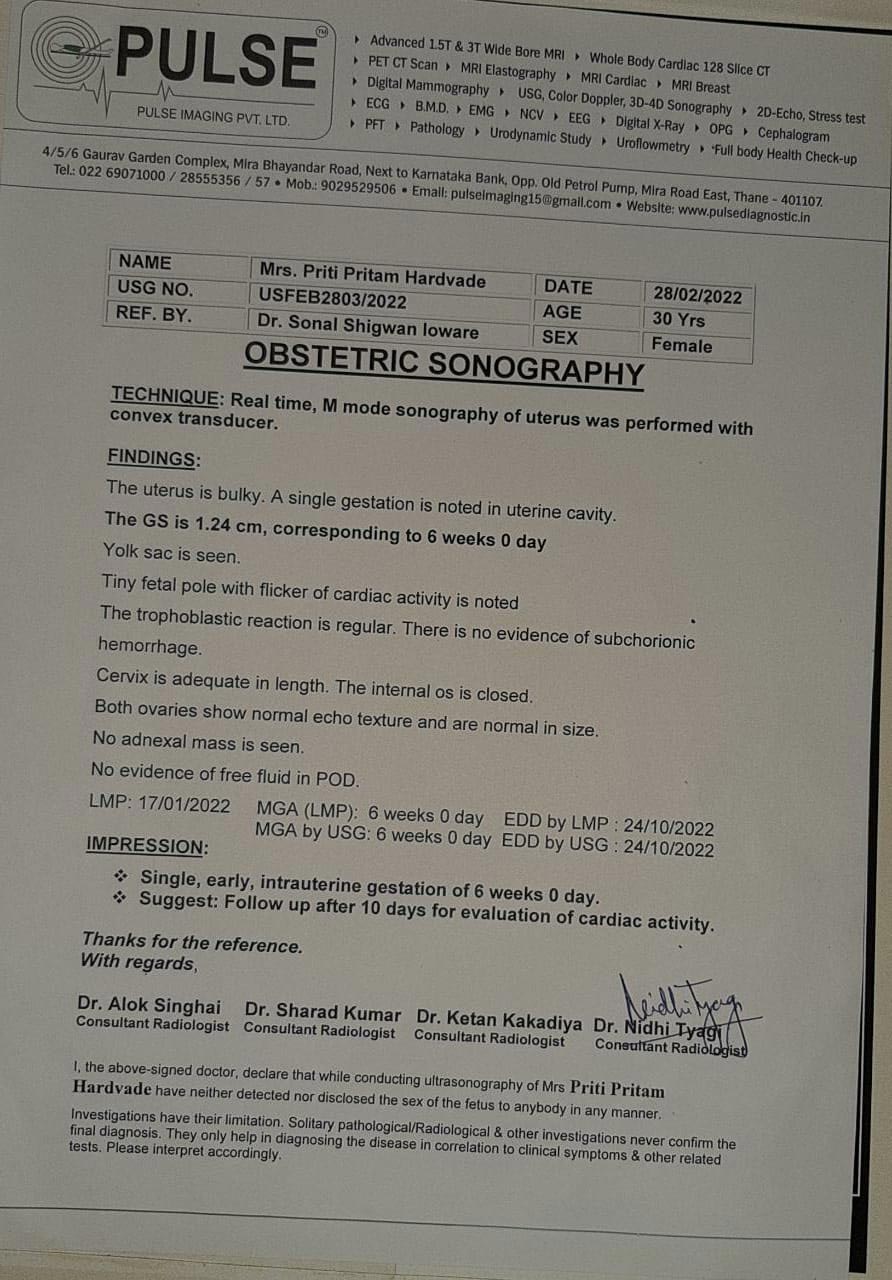
CASE of 30y/F SECONDARY INFERTILITY WITH LOW AMH 0.9ng/ml
Video Testimony
Client Satisfaction Unveiled
I will strongly recommend everyone to visit this place for once and observe the changes within you…Dr. Sonal is well experienced and a friendly person..She will analyse the history of..
Priti Hardvade
I would like to thank Dr. Sonal from the bottom of my heart for the treatment and cooperation extended by her. My spouse faced difficulty in conceiving for which we..